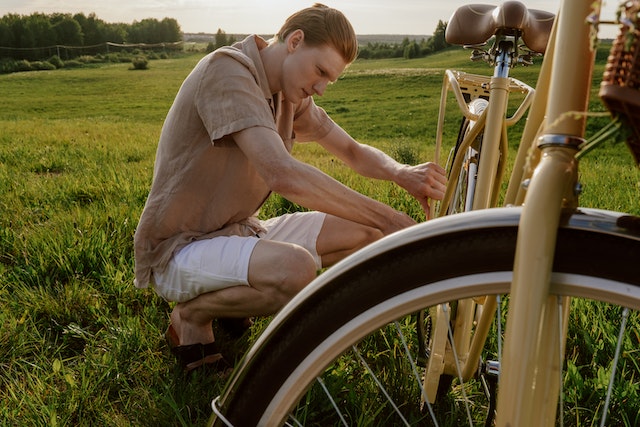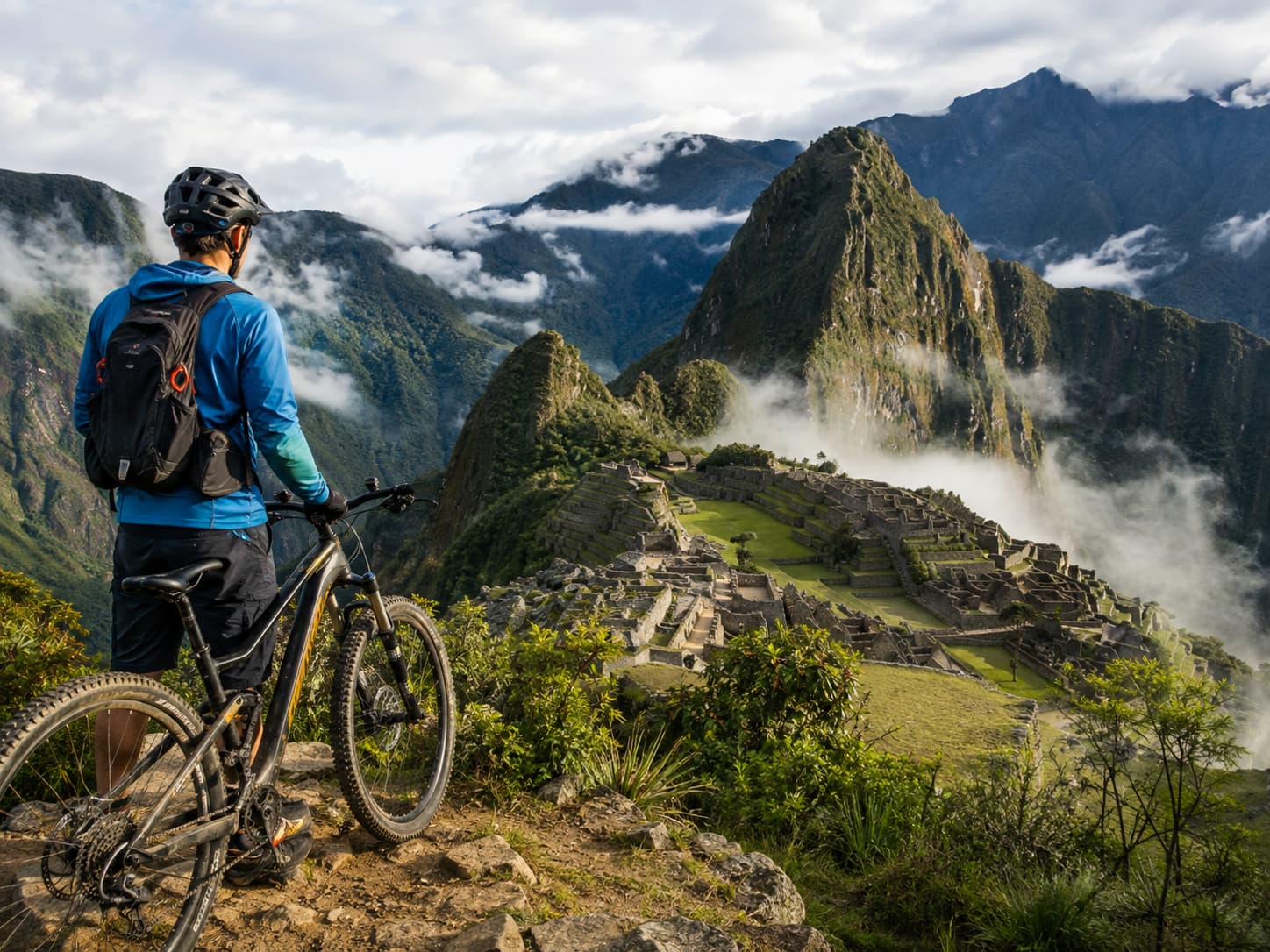
For anyone who loves self-powered adventure, who measures a good day by how far their own legs carried them, Machu Picchu is more than a photo stop. It is a place you can earn. And here is what most visitors never realize: one of the best ways to reach the lost Inca city actually starts on two wheels, with a thrilling mountain-bike descent through the Andes.
That is just one of several routes, though. Machu Picchu sits high in the cloud forest above the Sacred Valley near Cusco, and you can reach it by an easy scenic train, by one of the world’s great treks, or by that bike-and-hike adventure. The right choice depends on your fitness, your time, and how much you want to work for that first jaw-dropping view over the citadel.
One important thing to know before you plan anything: since 2024, visiting Machu Picchu requires a timed entry ticket, a designated walking circuit inside the site, and a licensed guide. The daily number of visitors is capped and adjusts by season. So a bit of planning is not optional here.
A few things separate a smooth trip from a stressful one. Book far ahead, because tickets, circuits, and especially Inca Trail permits sell out. Acclimatize first, since the altitude, not the distance, is the real challenge. Go with a reputable licensed operator for safety and logistics. Here are the best ways to experience it, ranked from easiest to most adventurous.
1. Compare and Book It All in One Place
Machu Picchu has train tours, bike-and-hike routes, and multi-day treks, each with its own permits, circuits, and booking rules, through a huge range of operators. Sorting that from home, especially the new ticketing system, is genuinely confusing. Machu Picchu Guided Tours is a platform built around this destination, so instead of guessing you get the options laid out clearly by effort, length, and what each includes.
The value is that it matches the route to your fitness and time, and handles the fiddly parts, timed tickets, the right circuit, permits, guides, and trains. You can weigh an easy day tour against a serious trek, and book a reputable licensed operator rather than risking the paperwork yourself.
You can compare Machu Picchu tours and treks here and lock it in before you travel, which matters enormously given how far ahead things sell out.
Best for anyone who wants the right route without the booking headache. If you already know your route, book directly.
2. The Easy Way: Train and Guided Day Tour
If you are short on time or prefer not to trek, the train is a wonderful option and no less special for being comfortable. A scenic rail journey winds from the Sacred Valley to Aguas Calientes, followed by a short bus up the mountain and a guided walk through the citadel, all doable as a long day from Cusco.
This is the most accessible route, ideal for families, older travelers, or anyone with limited time. You still get the full, breathtaking payoff, just without the days of walking. Remember you will need a timed ticket, a set circuit, and a guide.
The trade-off is that you miss the sense of arrival that a trek builds, and the train is the pricier way to cover the ground.
Best for travelers who want the wonder without the multi-day effort.
3. The Cyclist’s Route: The Inca Jungle Trail
Here is the one built for people who love bikes. The Inca Jungle Trail is a three or four day adventure that begins with an exhilarating downhill mountain-bike descent from the high Abra Malaga pass, dropping thousands of meters through changing landscapes into the warm cloud forest below. From there it mixes trekking with optional rafting and the tallest zipline in South America before finishing at Machu Picchu.
It is the adrenaline-charged route, and that opening descent alone makes it worth it for anyone who rides. It also skips the restrictive permit system of the Classic Inca Trail, so it is easier to book.
The bike leg is a real descent, so it demands good brakes, a helmet, and a reputable operator, and the days are active and varied rather than restful.
Best for cyclists, thrill-seekers, and anyone who wants adventure with their arrival.
4. The Legendary Trek: The Classic Inca Trail
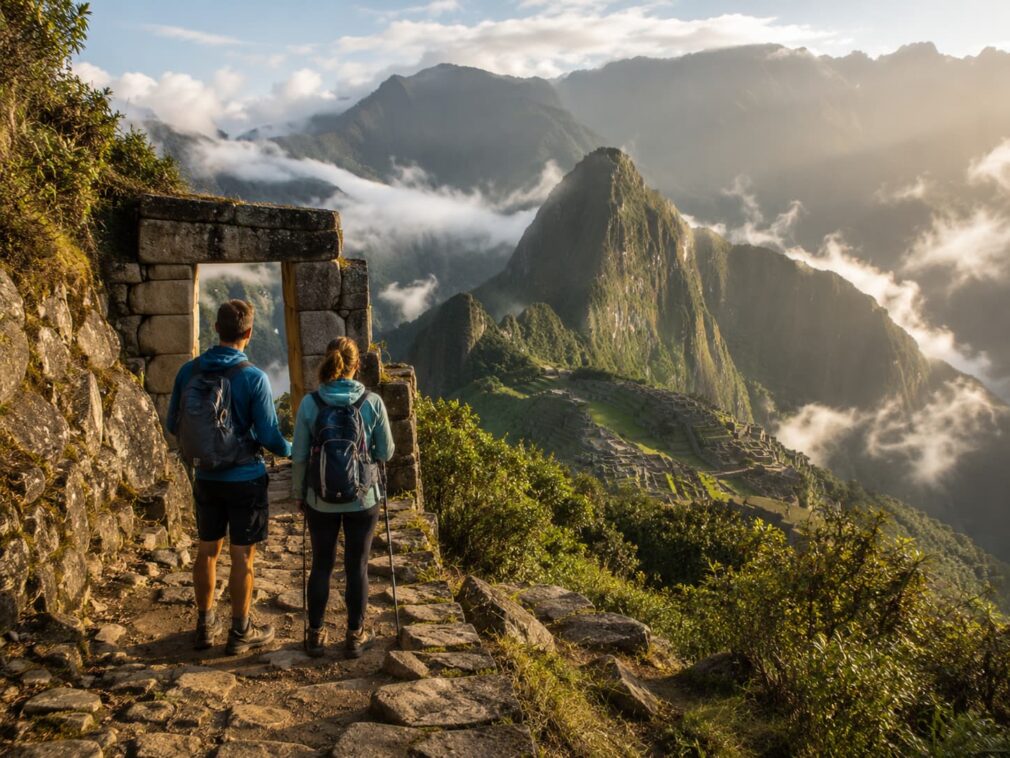
This is the bucket-list hike, the four-day, three-night walk along original Inca stone paths over high passes, including Dead Woman’s Pass at 4,215 meters, culminating in a dawn arrival through the Sun Gate as Machu Picchu reveals itself below. Few walks on earth end so gloriously.
It is also strictly controlled. Only 500 permits are issued per day, split between trekkers and crew, and they sell out four to six months ahead. You must book through a licensed operator, and the trail closes every February for maintenance. It is moderate to challenging, with altitude the main hurdle.
The exclusivity is the catch, so you have to plan very early and commit to the dates.
Best for reasonably fit, well-prepared hikers who want the most iconic route of all.
5. The Wild Alternative: The Salkantay Trek
If the Inca Trail permits are gone, or you simply want more wilderness, the Salkantay Trek is the strongest alternative. This four to five day route is higher and tougher, crossing the dramatic Salkantay Pass at around 4,600 meters and passing the stunning turquoise Humantay Lake, through remote and spectacular mountain scenery.
Crucially, it requires no permit and has no daily cap, so it is far more flexible to book. Many rate its raw scenery even more highly than the Inca Trail’s.
It is genuinely demanding, higher and colder, so it suits fit, experienced trekkers rather than first-timers.
Best for strong hikers who want dramatic wilderness and flexibility.
A Few Practical Things Before You Go
Book everything early. Machu Picchu entry is timed with set circuits and now requires a licensed guide, and the Classic Inca Trail sells out four to six months ahead and closes every February. If permits are gone, the Salkantay and Inca Jungle routes need no such permit.
Acclimatize before you do anything strenuous. Spend at least two or three nights in Cusco, which sits at 3,400 meters, or in the lower Sacred Valley, because altitude sickness is the real risk here, not the walking. Take it slow, drink plenty of water, and lean on coca tea.
The dry season, May to October, offers the most reliable conditions. Pack warm layers, rain gear, and broken-in boots. If you take the Inca Jungle route, treat the bike leg seriously and pace yourself. Just as a new bike needs its first proper setup before you push it hard, your body needs real preparation before you hit the altitude. For planning, the official Peru tourism site is a great start, and UNESCO’s page on Machu Picchu is worth a read. Both pair well with any related travel guides already on the site.
Choosing the Right One for You
Machu Picchu rewards travelers who match the route to their fitness and their appetite for adventure.
Start by comparing your options through Machu Picchu Guided Tours so you sort the tickets, circuits, and permits. Short on time, take the train and a guided day tour. Love bikes and adventure, ride the Inca Jungle Trail. Set on the iconic hike and able to plan ahead, book the Classic Inca Trail. Want raw wilderness and flexibility, tackle the Salkantay.
However you get there, the payoff is the same view that has stopped travelers in their tracks for a century. And if you are the kind of person who likes to earn it under your own power, few places on earth reward the effort like this one.
Author note: recommendations here reflect Machu Picchu’s routes and access rules as of 2026. Ticketing, permits, circuits, and prices change, so confirm the current details and prepare properly before you go.